JixiPix Chromatic Edges
1.0.36
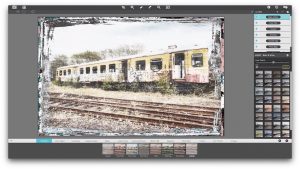
JixiPix takes vintage to a whole new extreme. Gone are the days of having a few tiny choices when it comes to adding flare to your imagery. Chromatic Edges brings back the subtle magic of photo processing with glass, silver and paper plates all with a few taps and your unique photo.
Size
500.2 MBVersion
1.0.36
500.2 MBVersion
1.0.36
Report this app
Description
JixiPix Chromatic Edges Overview
JixiPix takes vintage to a whole new extreme. Gone are the days of having a few tiny choices when it comes to adding flare to your imagery. Chromatic Edges brings back the subtle magic of photo processing with glass, silver and paper plates all with a few taps and your unique photo.
Features of JixiPix Chromatic Edges
- Calotype or talbotype is an early photographic process introduced in 1841 by William Henry Fox Talbot, using paper coated with silver iodide. The term calotype comes from the Greek (kalos), “beautiful”, and tupos, “impression”.
- Cyanotype is a photographic printing process that produces a cyan-blue print. In a cyanotype, a blue is usually the desired color; however, there are a variety of effects that can be achieved. These fall into three categories: reducing, intensifying, and toning.
- Daguerreotype was the first commercially successful photographic process (1839-1860) in the history of photography. Named after the inventor, Louis Jacques Mandé Daguerre, each daguerreotype is a unique image on a silvered copper plate.
- Edges is sometimes referred to as a “natural” black border, like those often seen in the days of contact prints. Edges happen automatically when you print the entire negative without cropping, allowing the clear film or glass around the photo to print as well.
- Gelatin Silver process is the photographic process used with currently available black-and-white films and printing papers. A suspension of silver salts in gelatin is coated onto a support such as glass, flexible plastic or film, baryta paper, or resin-coated paper.
- Negative can be more commonly referred to as glass plate negatives and will encompass a few areas and styles. Photographic plates preceded photographic film as a capture medium in photography. The light-sensitive emulsion of silver salts were coated on a glass plate, typically thinner than common window glass, instead of a clear plastic film.
- Silver Plate or plate collodion process requires the photographic material to be coated, sensitized, exposed and developed within the span of about fifteen minutes, necessitating a portable darkroom for use in the field.
- Gum Brichromate is a 19th-century photographic printing process based on the light sensitivity of dichromates. It is capable of rendering painterly images from photographic negatives.
- Tintype, also known as a melainotype or ferrotype, is a photograph made by creating a direct positive on a thin sheet of metal coated with a dark lacquer or enamel and used as the support for the photographic emulsion.
- Black and White does not need much explanation. This type is a more modern version of a long lost classic. Black and white photography began in 1826 as Jospeh Nicephore Niepce of France stored a black and white image on pewter plate covered in a petroleum using a camera, but the process took eight hours and immense sunshine to record the image.
- Vintage photography began in the 15th Century with Robert Boyle’s discovery of silver chloride turning dark when exposed to air in a dark room. From there anything before the mid-twentieth century could be consider vintage.
- And More… Of course with Chromatic Edges the sky is the limit and these are just small examples of everything possible. Create anything from subtle edge-only images to thousands of classic styles.
System Requirements for JixiPix Chromatic Edges
RAM: 2 GB
Operating System: Windows 10 and 11
Space Required: 1 GB
Images